What Surfaces Should Never Be Power Washed and Why Does It Matter?
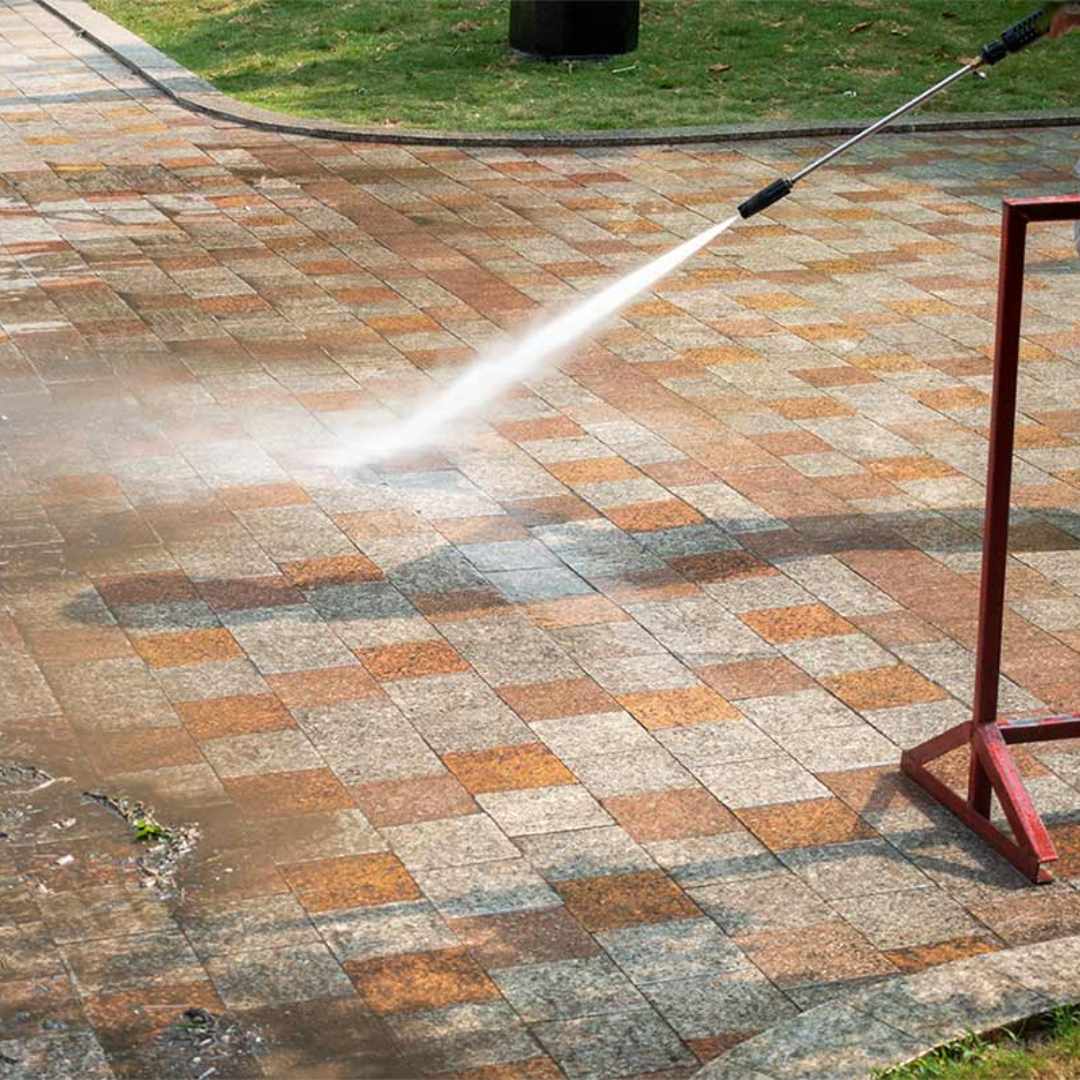
Many surfaces look tough. Concrete, brick, siding, and wood decks. All seem strong enough for high-pressure cleaning. However, several materials can suffer real damage from strong water pressure. The wrong pressure can crack surfaces, strip finishes, and push water into hidden spaces. Repairs can become expensive very quickly.
This issue matters for homeowners who search for power washing in Monmouth County services. Safe cleaning requires knowledge of which surfaces handle pressure and which surfaces require gentle methods. A professional power washing service in Monmouth County, NJ, understands the difference.
Common Power Washing Mistakes That Damage Surfaces
Affordable & Professional team often sees damage from incorrect cleaning methods during power washing in Monmouth County, NJ homes. Wood splits. Shingles loosen. Painted siding peels away. Therefore, proper knowledge protects property value and prevents costly repairs.
This blog explains surfaces that should never face high pressure. It also explains why careful cleaning matters when hiring a power washing service in Monmouth County, NJ.
Why Surface Safety Matters Before Power Washing?
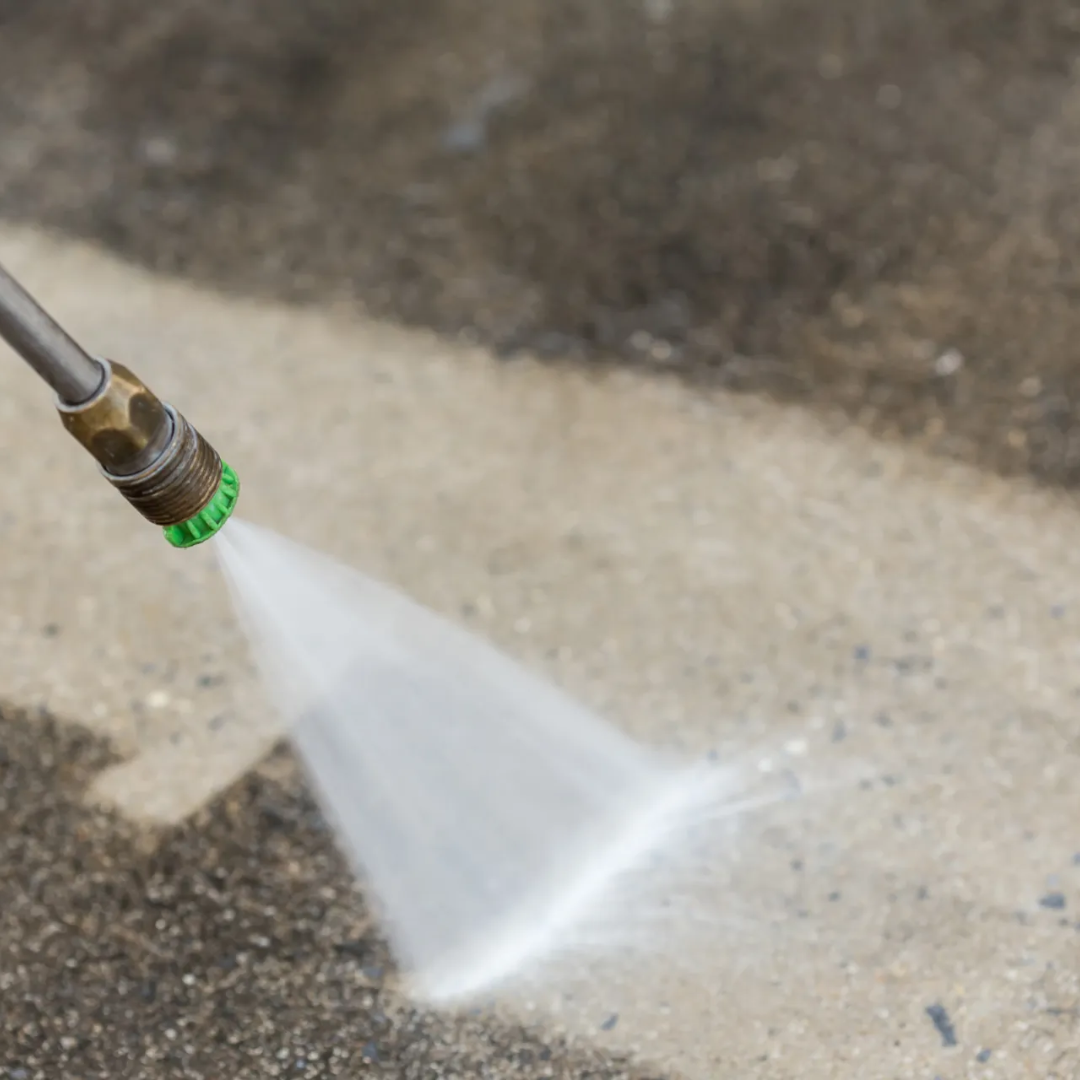
High-pressure water carries a strong force. Dirt moves fast, but materials also take the hit. Wood fibers split under heavy spray. Paint lifts from older siding. Water pushes under shingles and behind trim boards. That hidden moisture later causes mold, rot, and costly repairs.
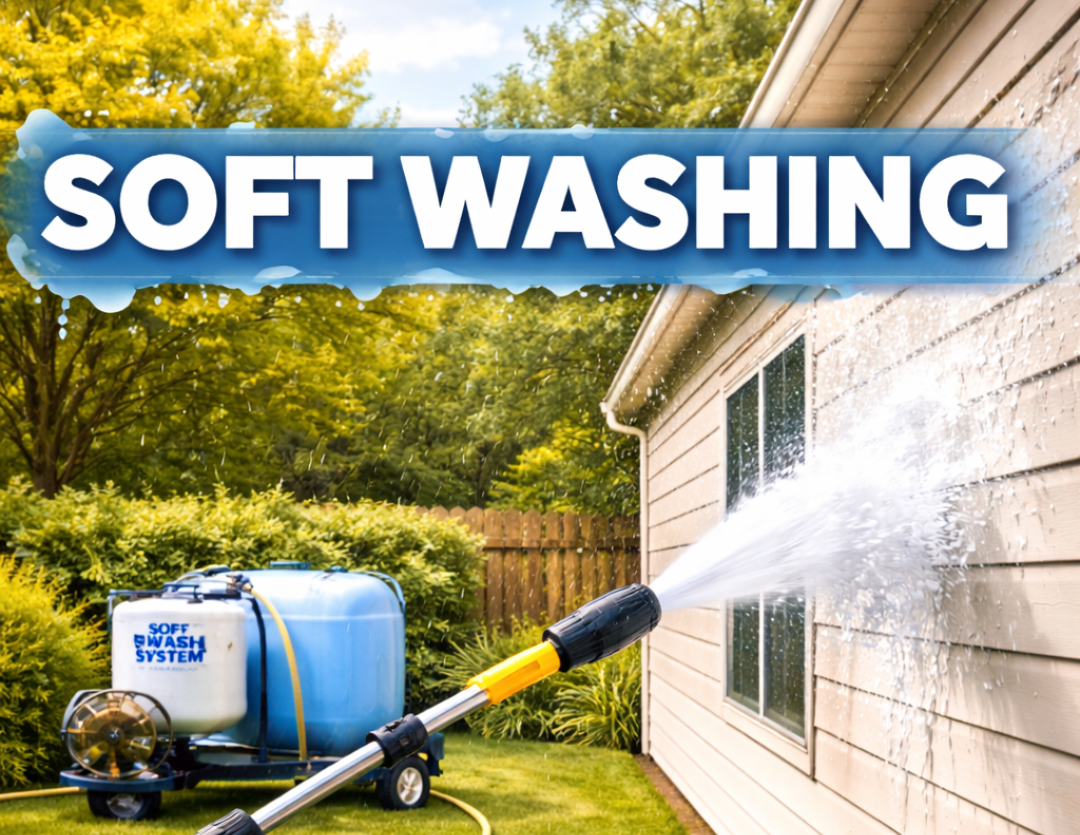
Professional crews learn surface behavior before starting a job. Many areas around a home require soft washing instead of strong pressure. Soft washing uses gentle water flow and safe cleaners that remove grime without damage. However, many homeowners rent machines and start spraying every surface. That approach often causes problems that appear months later. Understanding risky surfaces helps avoid those mistakes.
Surfaces That Should Never Be Power Washed
1. Asphalt Roof Shingles
Roof shingles protect the entire house. High pressure strips away protective granules from asphalt shingles. Those tiny granules help block sun damage and control heat. Once the granules disappear, shingles age fast. Roof leaks soon follow.
Roof cleaning needs low pressure and proper solutions. A trained crew using roof cleaning methods removes moss and algae safely. Roof cleaning keeps the roof strong while restoring curb appeal.
2. Old Wood Decks
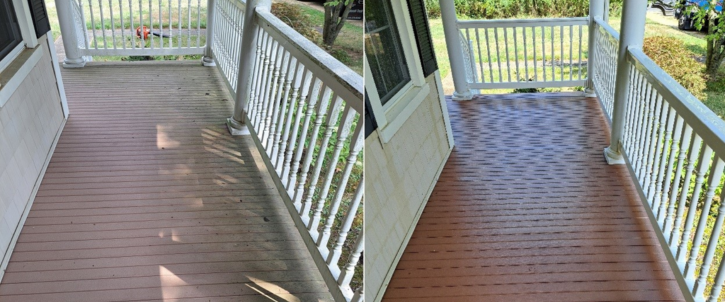
Wood decks look strong, but stay vulnerable to pressure. High force lifts wood fibers and creates splintered boards. Surface damage also traps moisture inside the wood grain. That moisture leads to rot and mold growth.
Gentle deck cleaning removes dirt while protecting the wood structure. Proper deck cleaning uses balanced pressure, safe solutions, and controlled rinsing. A smooth deck surface lasts longer and stays safe for bare feet.
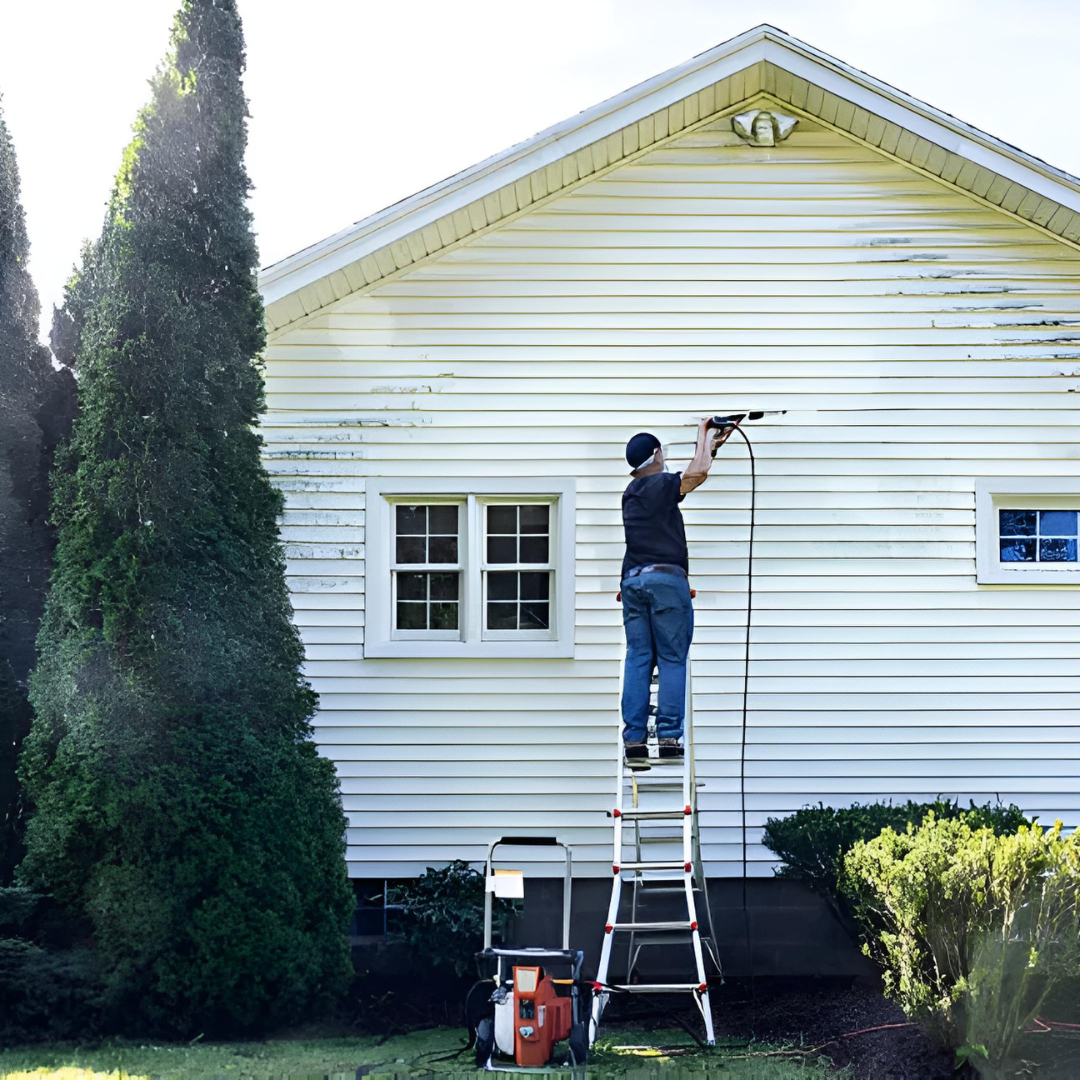
3. Vinyl Siding with Cracks
Vinyl siding usually handles washing well. Problems begin when siding shows cracks, gaps, or loose panels. High pressure forces water behind the siding. Moisture then sits inside wall cavities. Hidden mold growth can begin quickly.
Good siding cleaning checks every panel first. Siding cleaning also uses angles that push water downward instead of behind panels. This simple step protects insulation and wall framing.
4. Windows and Window Frames
Glass may look tough, yet pressure washing can crack seals around window edges. Water can also slip inside frames and damage interior walls. Older windows face a greater risk. Wooden frames soak up moisture and begin swelling.
Professional exterior cleaning uses gentle pressure around glass surfaces. Careful exterior cleaning keeps windows spotless without pushing water into hidden gaps. Clear windows need patience, not pressure.
5. Outdoor Electrical Fixtures
Exterior outlets, lighting fixtures, and wiring should stay away from the power washing spray. Water can enter small openings and create electrical hazards later. Rust and corrosion also begin quickly after exposure. Cleaning around these areas requires careful hand washing and controlled rinsing.
Signs a Surface Needs Gentle Cleaning
Some surfaces show warning signs before cleaning begins. Look for these signals before starting power washing:
- Peeling or faded paint
- Soft wood areas or splintered boards
- Cracked siding or loose panels
- Aging roofing materials
- Old window seals or wooden frames
These signals tell us the surface requires safer cleaning methods. Therefore, professional inspection often prevents accidental damage.
Why Professional Power Washing Makes a Difference?
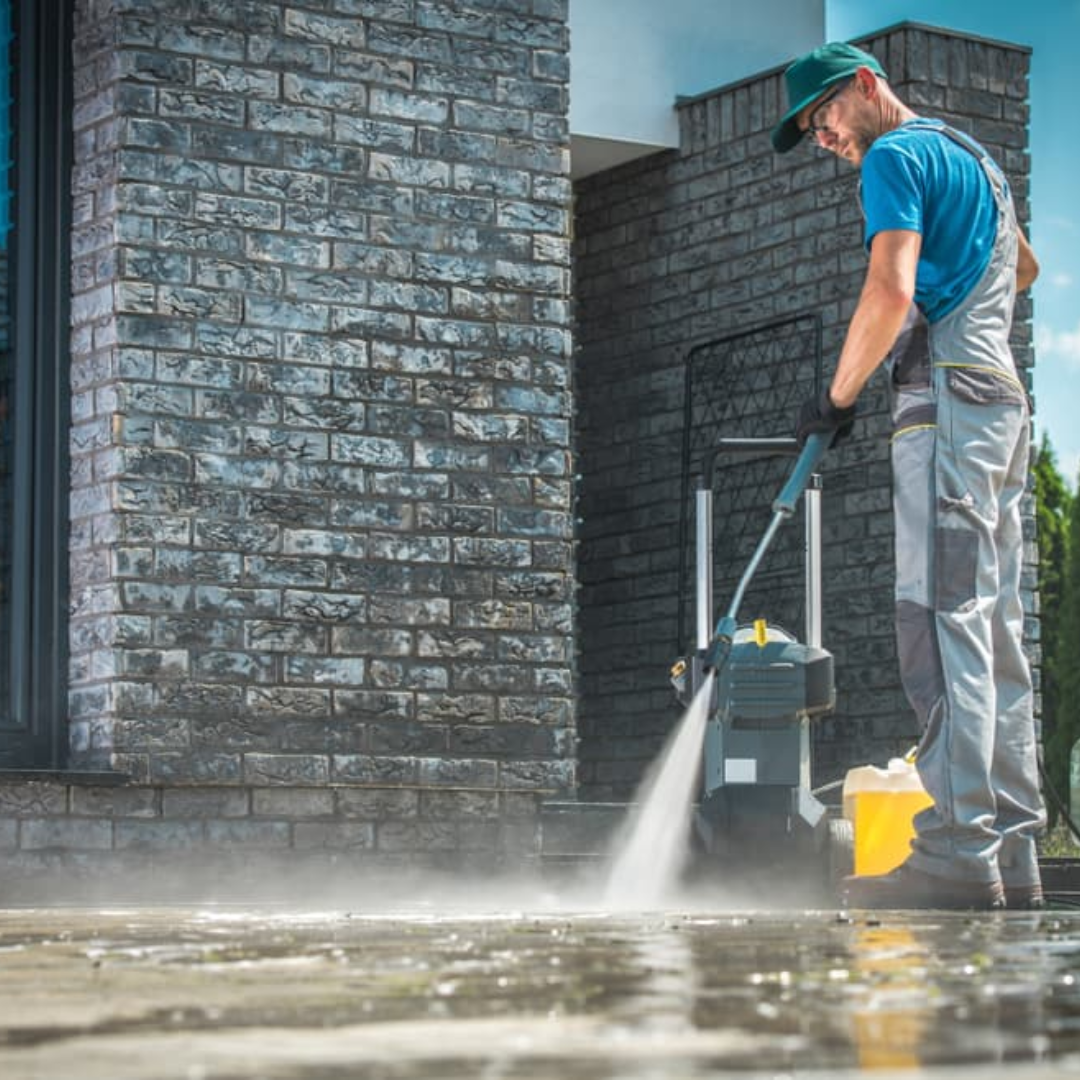
Anyone can rent a pressure washer. Skill comes from knowing when pressure becomes dangerous. A trained crew studies materials first. Water pressure adjusts based on surface strength. Cleaning solutions break down dirt before rinsing begins.
This balanced process protects the home while delivering a deep clean. Many homeowners across the region rely on experienced crews offering power washing service in Monmouth County, NJ. Safe cleaning protects siding, roofs, decks, and property value. However, surface knowledge remains the real difference between safe cleaning and costly mistakes.
Conclusion
Power washing can transform a property fast. Dirt disappears, and surfaces shine again. Yet powerful water demands respect. Roofs, old wood decks, cracked siding, windows, and electrical fixtures require careful treatment. Using pressure on those surfaces can cause hidden damage that appears later.
A trusted power washing team in Monmouth County understands these risks. Proper inspection guides every cleaning decision. That approach keeps homes safe while restoring beauty.
Our team at Affordable & Professional focuses on smart methods, safe pressure levels, and long-lasting results. When homeowners choose a skilled power washing service in Monmouth County, NJ, property protection becomes part of the service. Clean surfaces should bring peace of mind, not repair bills.
FAQs
1. Why should homeowners hire a professional power washing service?
Homeowners gain safer results when choosing power washing experts in Monmouth County, NJ. A trained team studies every surface before cleaning begins. Correct pressure levels protect siding, decks, and roofing materials. Affordable & Professional crews use proper tools and safe solutions that remove grime while protecting surfaces. Careful planning reduces risk and keeps property looking fresh for many seasons.
2. What cleaning method works best for delicate surfaces?
Delicate surfaces respond better to low-pressure cleaning methods. Many professionals use soft washing systems for this purpose. Water pressure stays low while safe cleaners break down mold and dirt. This method protects paint, siding, and roofing materials. Affordable & Professional teams prefer this approach because gentle cleaning preserves structure and delivers a deep clean without surface damage.
3. How often should a home receive exterior cleaning?
Most homes benefit from exterior cleaning once each year. Climate, shade, and nearby trees can increase dirt and algae growth. Regular cleaning keeps siding bright and prevents buildup that stains surfaces. Affordable & Professional crews evaluate property condition before recommending a schedule. Consistent care improves curb appeal and protects materials from long-term damage.
4. Can power washing increase home value before selling?
Clean exterior surfaces often create a strong first impression for buyers. Dirt, algae, and mildew make homes appear older than their actual age. Professional cleaning refreshes siding, driveways, and walkways quickly. Affordable & Professional services prepare homes for listing with safe cleaning techniques. A bright exterior often helps attract buyers and supports stronger property value during a sale.